
Smart City: Urban Transformation and Upgrading
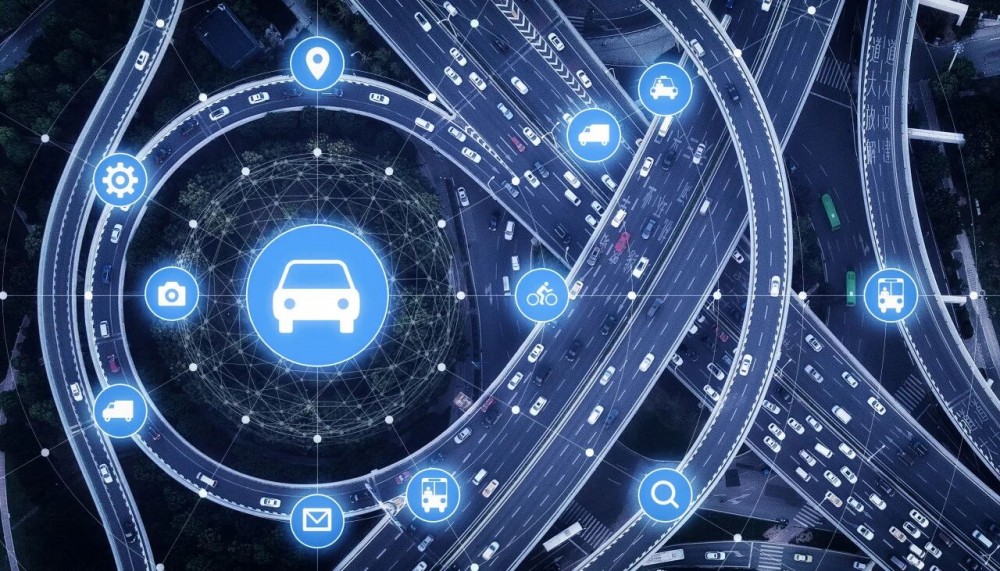
With the rapid development of technology, smart cities have become the new direction and hot topic in urban development. Through forward-looking planning, technological integration, and sustainable development, smart cities provide higher-quality living and working environments and are gradually leading development in the new era.
A smart city is not merely urban modernization — it is true urban transformation and upgrading. By applying cutting-edge technologies such as IoT, big data, and artificial intelligence, smart cities achieve efficient information integration and intelligent analysis, making urban operations more efficient and intelligent.

01 Evolution of Smart Cities
What is a smart city?
It is more than a city — it is an innovative and intelligent ecosystem. By leveraging IoT, big data, artificial intelligence, and other advanced technologies, smart cities integrate and intelligently analyze urban data, better understanding and responding to residents’ needs and providing more convenient and comfortable living environments.
Traditional City → Digital City: Rapid expansion of telecom infrastructure; widespread deployment of home and enterprise networks; PC-based productivity and entertainment terminals entering households, enterprises, and governments; digitization of government and enterprise processes (ERP systems, “Twelve Golden Projects” for e-government).
Smart City (2008 onward): Inspired by IBM’s “Smarter Planet” vision; China’s Ministry of Housing and Urban-Rural Development launched the first batch of smart city pilots. Multiple ministries promoted projects; typical features were top-level planning + data centers + government applications.
New-Generation Smart City: Traditional smart cities were technology- and infrastructure-driven, resulting in massive investment but low citizen satisfaction. With maturity of cloud computing and big data, plus accumulated experience, China has entered the people-centric, green, and sustainable new-generation smart city phase.
Smart cities also drive innovation in urban governance. Through big data analysis, managers gain accurate insights into citizen needs, optimize public facilities and services, strengthen security monitoring, enhance social governance, and effectively prevent and respond to emergencies.
For residents, smart cities deliver diverse and convenient lifestyles — from smart homes and health monitoring to digital cultural entertainment.
02 Best Practices
Yanqing Smart City
Solutions:
Financial Services: Leveraged strong industry reputation and capital operation capabilities to provide start-up and construction funding.
Top-Level Design: Overall technical design of the data center, achieving energy-saving, intelligent, and secure characteristics.
Total Integration: Acted as the overall “service provider”, delivering integrated solutions and products while coordinating all parties and resources.
Full Lifecycle O&M: Provided comprehensive data center operation and maintenance services based on extensive experience.
Ecosystem Resources: Actively introduced products from Lenovo Venture investments to improve energy efficiency and intelligence; recommended venture-backed enterprises to enhance the data center ecosystem.
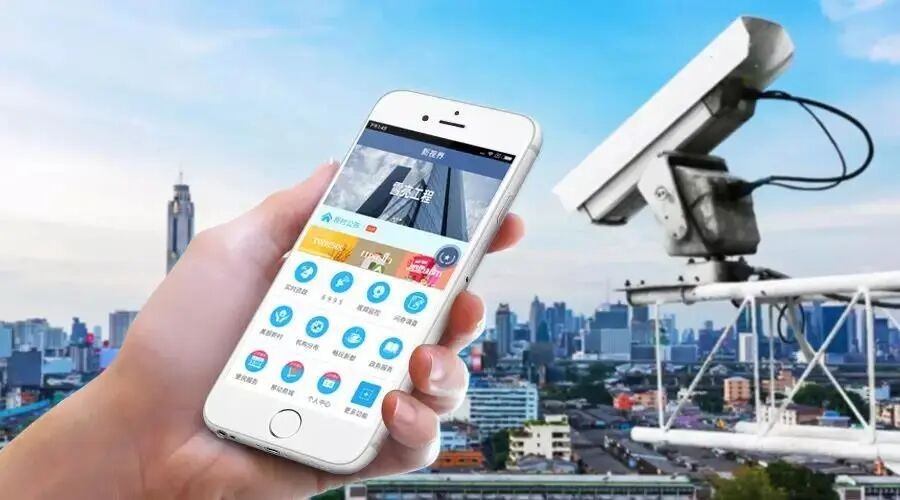
“Snow Bright Project” (Skynet Upgrade)
Solutions:
Deployed IoT devices — cameras (DaaS) for data collection.
Deployed edge computing servers and centralized storage centers.
Collaborated with software vendors to build system platform (PaaS) and large-screen monitoring centers.
Provided 8-year full O&M services for all IT equipment (IoT cameras, servers, storage, monitoring screens, etc.).



.png)

.png)